
By our reporter 18.8.2026
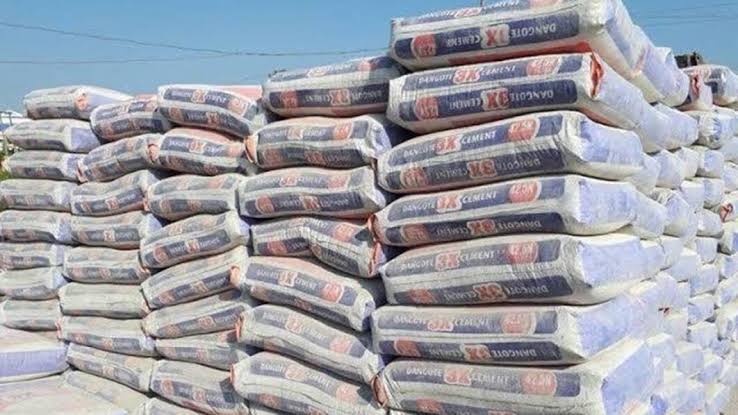
Nigerian cement prices are the highest compared to most African countries, the Federal Competition and Consumer Protection Commission investigations have revealed.
The FCCPC noted that despite favourable factors of availability of limestone deposit and production in Nigeria, according the FCCPC director of corporate affairs, Ondaje Ijagwu, the price of cement is comparatively higher than it is in Kenya, Tanzania, South Africa, Egypt, Morocco, Algeria and Togo.
“Findings from an industry-wide investigation conducted by the Federal Competition and Consumer Protection Commission gave a hint of possible manipulation of prices of cement in the Nigerian market,” Mr. Ijagwu in a statement.
“This is the preliminary summation of the 40-page field reports collated following a three-month cross-border study by the Anticompetitive Practices Department of the Commission, undertaken in response to widespread public complaints over the high cost of cement, a common staple in the country’s construction industry.”
Nigeria’s annual production capacity is estimated to be in the region of 60-60 million metric tons, while between 25-30 million metric tons is distributed and retailed.
According to the commission, market intelligence showed that a 50kg bag of cement, which sold for between N9,300 and N9,700 in January, rose to between N10,500 and N13,000 by mid-year.
By July, the price had risen to between N13,000 and N15,000 in some parts of the country.
The statement noted, “In Kenya, for instance, the 58.6 million population (76% lower than Nigeria’s) has domestic cement demand of approximately 9.3m MTPA (metric ton per annum) in 2025. Retail price in Nairobi is $5.40 (N7,344). Kenya is endowed with limestone. In Tanzania, with population of 66.3m (72% lower than Nigeria’s) and the domestic cement demand is 9.3m MTPA (2025), a bag of cement sells for $4.80 (N6,528). In Togo, a bag sells for $6.75 (N9,180). Significantly, Togo does not have limestone deposit.”
However, information by industry participants identified energy costs, depreciation of the Naira and its effect on imported machinery and spare parts, as well as transportation and logistics costs, among the factors contributing to cement prices.
“The Commission is testing these explanations against verified information on costs, production, pricing and market conditions. However, the weight of preliminary findings provides sufficient grounds for the investigation to continue,” the statement said