

By Kingston Magare 13.7.2026
President Bola Tinubu’s administration has bowed to a public outcry and paused moves to an increase in registration fees for the 2027 West African Senior School Certificate Examination (WASSCE) and the National Examinations Council Senior School Certificate Examination (NECO SSCE).
The Federal Ministry of Education said Monday it was withdrawing a June 18 letter announcing the increments of the exam fees from N27,500 to N50,000. The government had argued that cost of conducting the examinations across the country has risen and exam fees remained static.
“The Federal Ministry of Education announced that the letter conveying the proposed fee adjustment, dated 18 June 2026, has been withdrawn to allow for a comprehensive review and broader consultations with all relevant stakeholders before a final decision is taken,” said a statement signed by the ministry’s director of press and public relations, Folasade Boriowo.
Reacting to the development Nigeria Democratic Congress presidential candidate Peter Obi welcomed the development.
“I received the welcome news of the suspension of the newly introduced examination fees with relief. This is a victory for the Nigerian people,” Obi stated.
“While I commend the authorities for listening to the widespread public outcry and suspending the policy, it must be said that the fee was an unnecessary burden that should never have been introduced at this time of great hardship, when we should be doing everything possible to invest in basic education and reduce the millions of out-of-school children in Nigeria.
“Education is a fundamental right and a public good, not a source of government revenue.”
Also, Atiku Abubakar, the African Democratic Congress presidential candidate said: “The suspension is welcome, but it also raises an uncomfortable question: why must this government always wait for public outrage before correcting policies that should never have been conceived in the first place?
“Governing is not a laboratory for reckless experimentation. Sound governments consult before they decide, not after Nigerians have been subjected to needless anxiety and uncertainty.
“Education should be the ladder out of poverty, not another luxury reserved for the privileged.”
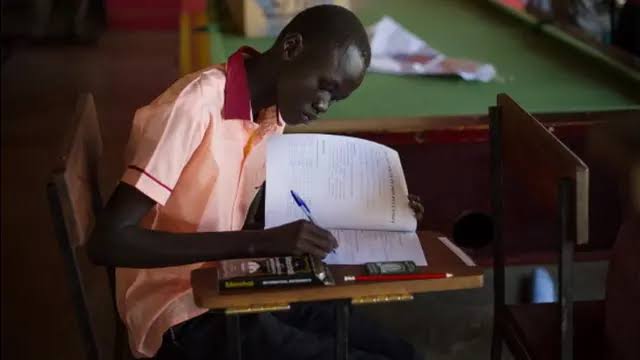 A Nigerian student sweating it out during an examination.