

17.4.2024
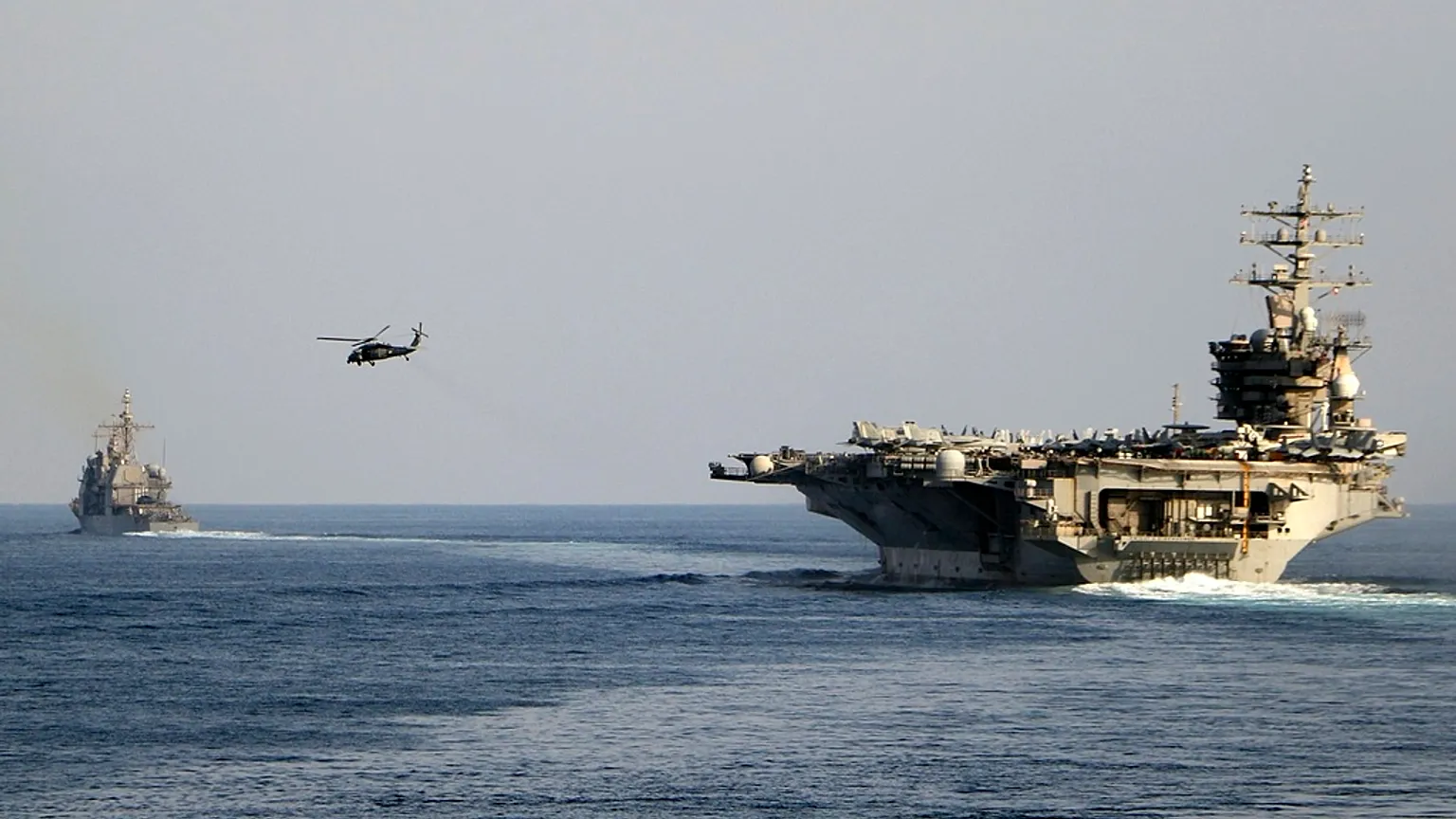
The Strait of Hormuz has been declared open for commercial vessels by Iran and the United States, marking a major development in the West Asia conflict.
The reopening of the strategic waterway comes amid continuing military pressure and Pakistan-mediated ceasefire negotiations aimed at ending weeks of conflict that has disrupted global energy supplies and regional stability.
Iranian Foreign Minister Abbas Araghchi said in a post on X on Friday that in line with the ceasefire in Lebanon the passage for all commercial vessels through the Strait of Hormuz is declared completely open for the remaining period of the ceasefire.
He added that ships must sail on the coordinated route as already announced by the Ports and Maritime Organisation of Iran.
Minutes later US President Donald Trump also confirmed the development on Truth Social.
“Iran has just announced that the Strait of Iran is fully open and ready for full passage. Thank you!” Trump said, referring to the Strait of Hormuz.
Trump says naval blockade on Iran will remain in force
Despite welcoming the reopening of the shipping route Trump said the US naval blockade on Iran will remain in full force until a final agreement is reached.
UK France launch maritime security initiative
Following the announcement, Britain and France chaired a virtual meeting of a new Strait of Hormuz Maritime Freedom of Navigation Initiative involving around 40 countries including India.
Trump said the war in Iran should be ending pretty soon as he expressed optimism about ongoing diplomatic efforts.
He said the United States is very close to reaching a deal with Iran and suggested he may travel to Islamabad if an agreement is signed there.
“If a deal is signed in Islamabad, I may go they want me,” Trump said while praising Pakistan’s leadership.
He credited Prime Minister Shehbaz Sharif and Army Chief Asim Munir for their role in facilitating talks.
He also said Iran has agreed to almost everything under negotiation.
Pakistan has started preparing to host a second round of US-Iran talks after earlier negotiations ended without agreement.
Officials said intensive diplomatic activity followed the earlier round and led to renewed efforts to bring both sides back to the negotiating table.
Pakistan’s Prime Minister Shehbaz Sharif undertook regional diplomatic visits after discussions with Saudi Arabia and Qatar while Field Marshal Asim Munir travelled to Tehran.
Munir met Iranian President Masoud Pezeshkian Parliament Speaker Mohammad Bagher Ghalibaf and senior Revolutionary Guards commanders.
Officials said preparations have started in Islamabad and Rawalpindi with large deployments of police and paramilitary personnel and possible movement restrictions during the talks.
Reports also said transport arrangements may face restrictions during the period of heightened security.