

By Kingston Magare 8.4.2026
Lawmakers, oil executives and top security officials Wednesday had a roundtable meeting on the benefits of decentralising the Niger Delta pipeline surveillance contracts.
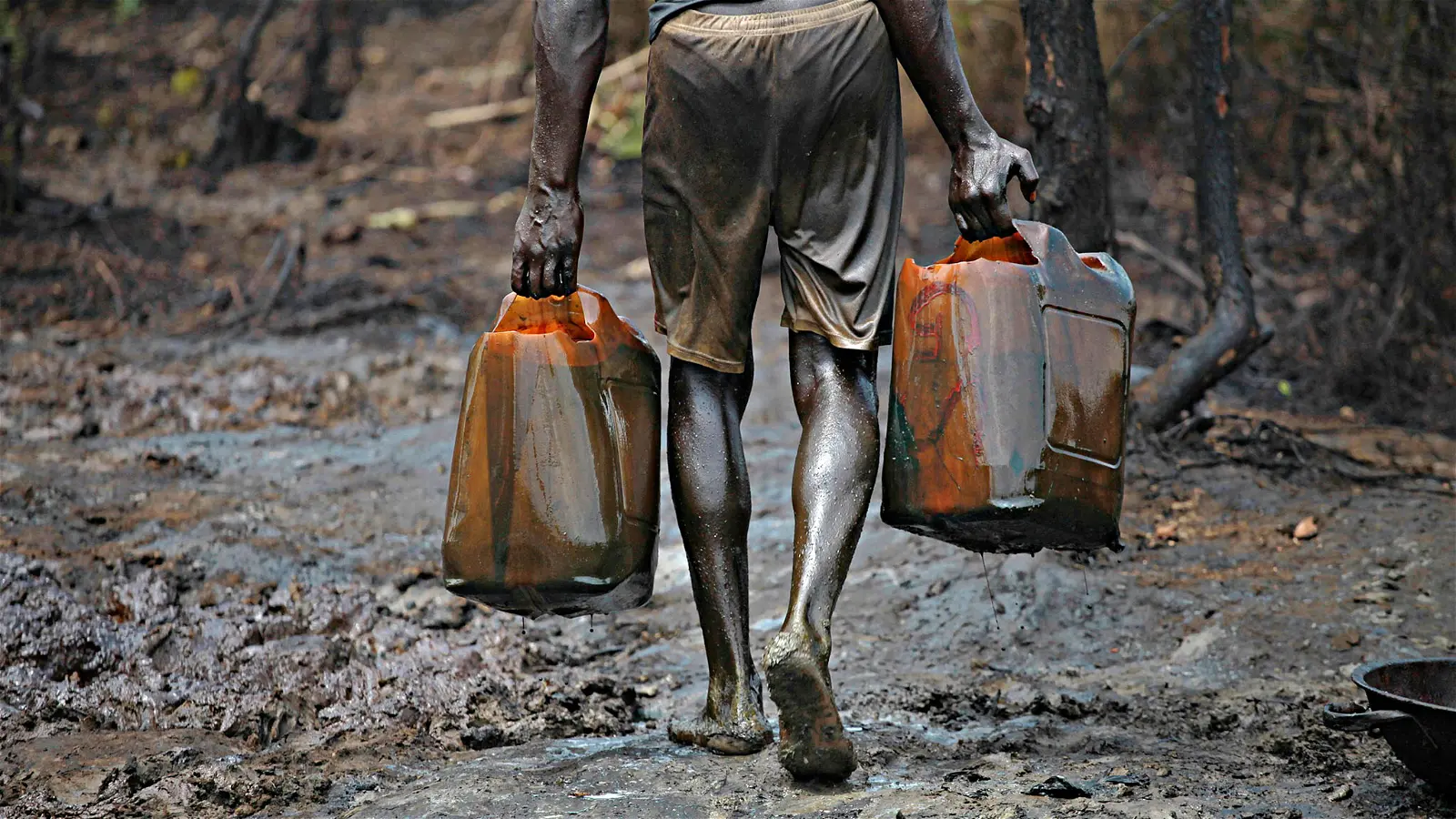
Before now Tantita Security Services Nigeria Limited own by Government Ekuemupolo a.k.a Tompolo had the exclusive rights of protecting the oil pipelines. But of late various communities and groups in the Niger Delta hosting the pipeline network have demanded for a slice of the pie.
Inside the National Assembly, lawmakers, Nigerian National Petroleum Company Limited (NNPC Ltd), group CEO Bashir Bayo Ojulari
Chief of Defence operation, Jamal Abdulsalam, representatives of the Office of the National Security Adviser, Ministry of Defence, representatives of Nigeria Security and Civil Defence Corps (NSCDC), Department of State Services (DSS), Tantita Security Services Nigeria Limited deliberated on strategies to mitigate against oil theft and securing Nigeria’s oil infrastructure.
However, outside the hall of the National Assembly, protesters in support of Tantita gathered to remind the authorities that Tantita had done a good job of securing the pipelines and there was no need of decentralisation.
The protesters had placards such as “Oil thieves are now conspiring against Tantita,” “We are okay with Tantita,” “Stronger surveillance,” and “Tantita has stopped bunkering.”
“The conversation around pipeline surveillance must be guided by results, because when national assets are secured, the economy benefits, communities stabilize, and young people gain real opportunities,” said Teslim Kolawole who spoke for the placard carrying protesters.
“Tantita Security Services Nigeria Limited has become a visible part of a broader national effort that has helped restore confidence in pipeline security and crude oil production. Nigeria’s state oil company said oil production rose to 1.8 million barrels per day in November 2024, a level reported by major news outlets.
“So our message today is simple. This is not the time to weaken a framework that has helped restore production, support youth enterprise, improve education, and create alternatives to criminality. This is the time to strengthen accountability, improve coordination, and protect what is working.”