

14.3.2026
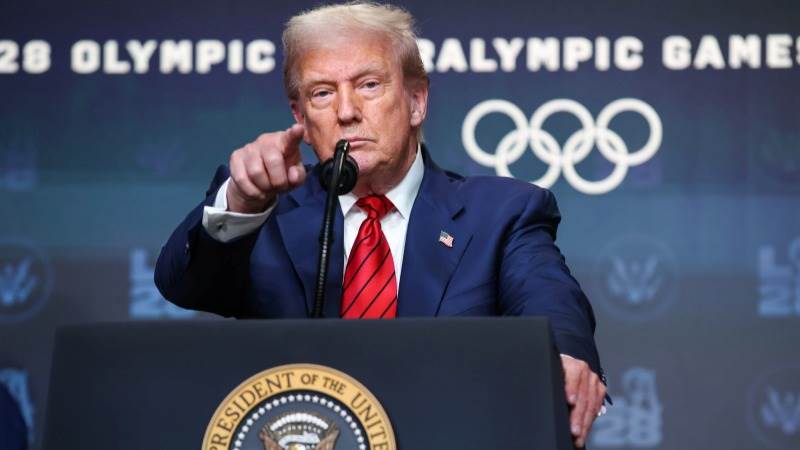
The World Anti-Doping Agency could prevent US President Donald Trump and other officials belonging to the current administration from attending the Los Angeles Olympic Games in 2028.
WADA is reportedly planning to achieve that by rewriting its rules in a move that could also have major implications on the FIFA World Cup – which will be co-hosted by the United States later this summer.
According to The Associated Press, the proposal of changing rules is on the agenda for a WADA Executive Committee meeting that is set to take place on Tuesday, and is the latest development in the ongoing tussle between Washington DC and the global organisation created to combat doping in elite sport.
The US government had, after all, has refused to pay its annual dues to WADA in a unanimous, bipartisan protest against the agency’s handling of a case involving Chinese swimmers and other issues.
WADA spokesperson James Fitzgerald insists “there’s nothing new” with regards to the proposal for Tuesday’s meeting, adding that discussions pertaining to governments refusing to pay their annual dues has been going on since 2020 and aren’t specific to the United States.
It’s worth noting, however, that the proposal had first been brought up in 2024, around the time the US decided to withhold its annual dues to the Montreal-based organisation and lost its seat on the Executive Committee as a result.
And even if the rule change is passed by the WADA Executive Committee, it will largely be symbolic since an international sports federation has limited powers when it comes to preventing an elected head of state from attending an event within the borders of his own country.
Trump administration remains firm in its stance against WADA
The Trump administration, meanwhile remains firm in its stance of demanding “accountability and transparency” from WADA.
“In spite of WADA’s increasing threats, we continue to stand firm in our demand for accountability and transparency from WADA to ensure fair competition in sport,” said Sara Carter, Director of the US Office of National Drug Control Policy. AP